What to check before buying a used car in Dayton
Start with the vehicle history
Before you look under the hood, look at the paper trail. A used car’s history can tell you whether it has been in a serious accident, how many owners it has had, and whether the mileage matches the condition you see. In Dayton, Ohio, winters can be hard on cars, so a vehicle that has spent most of its life in a garage or a milder climate may be in better shape than one that has sat outside through years of salt and snow. Ask the seller for a vehicle history report, or run one yourself using the VIN. If the seller hesitates or cannot produce one, consider that a red flag.
Check for rust and corrosion
Ohio winters mean road salt, and road salt means rust. Look closely at the underside of the car, especially around the wheel wells, the frame rails, and any mounting points for suspension components. Surface rust on a bolt or bracket is not a deal-breaker, but flaking, bubbled metal or holes through a structural area point to deeper neglect. Also check the edges of doors, the trunk lid and the hood for rust bubbles under the paint. A car that has been washed and waxed regularly may still have hidden rust in seams and crevices. Take a small flashlight and a magnet to probe suspicious spots.
Inspect the tires and suspension
Tires tell you a lot about how a car has been driven. Uneven wear on the tread, more worn on the inside edge, for example, can mean the alignment is off or a suspension component is worn. Check the tire age by looking at the four-digit code on the sidewall; anything older than six years should be replaced, even if the tread looks decent. While you are down there, push down on each corner of the car. It should bounce once and settle. If it keeps bouncing, the shock absorbers are tired. Also look for oil stains on the shocks themselves, a sign they are leaking and will need replacing soon.
Test the engine cold
Arrive at the dealership or seller’s lot with the car still cold. A warm engine can hide starting issues, such as a weak battery, a failing alternator, or a coolant leak. Pop the hood and feel the top of the engine. If it is warm and the seller says they just drove it around the block, that is normal. But if it is hot and they claim it has been sitting all morning, be suspicious. Start the engine and listen. A healthy engine should start quickly and settle into a steady idle. Listen for knocking, ticking, or whining noises. Let it run for a few minutes, then check for smoke from the tailpipe. White smoke on a cold day is normal steam; blue or black smoke points to an oil or fuel problem.
Check the transmission and clutch
With the engine running and the car parked on level ground, shift through all the gears. In an automatic, each gear should engage smoothly without a delay or a hard jolt. In a manual, the clutch should engage about halfway through the pedal travel. If the clutch engages right off the floor or very high up, it may be worn. Take the car for a test drive on a mix of roads: a straight stretch, a turn, and a hill if possible. During the drive, shift through the gears at different speeds. Pay attention to how the transmission behaves when you accelerate and decelerate. A slipping transmission, one that hesitates before shifting, or one that makes a clunking sound when you put it in gear, can be expensive to repair.
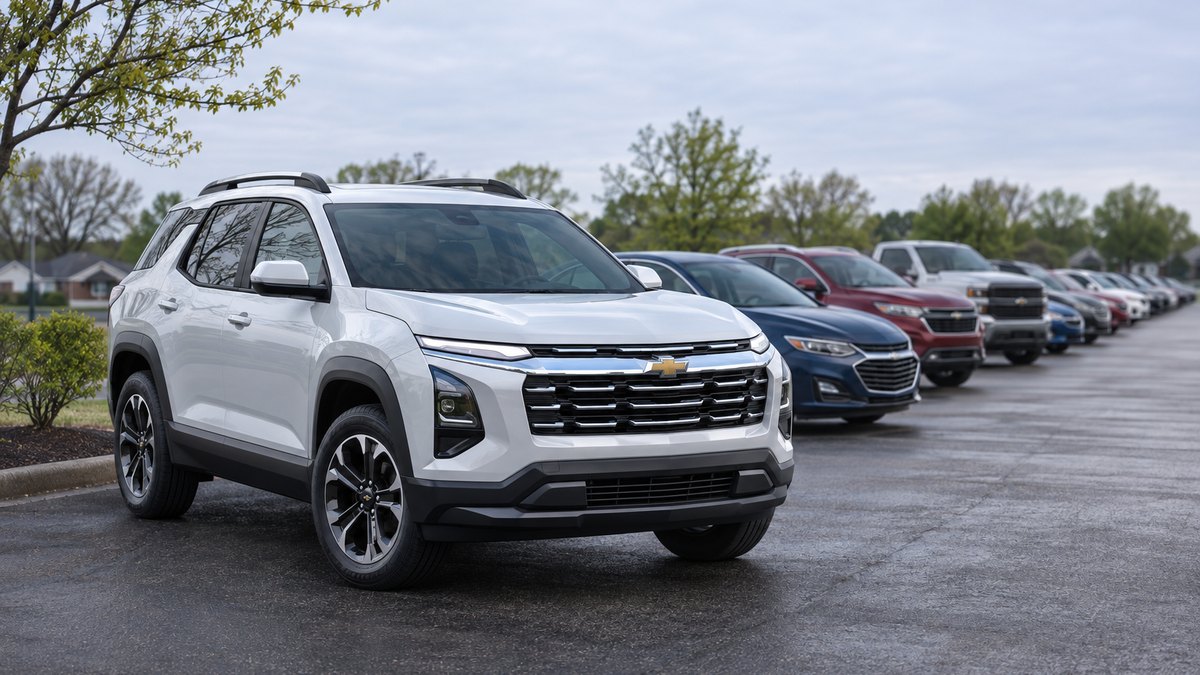
Dayton drivers who are shopping for a used car can find a solid selection at Jeff Schmitt Auto Group, with locations in Fairborn, Beavercreek and Miamisburg. Their inventory includes cars, trucks and SUVs, and their staff can answer questions about each vehicle’s service history. As with any used car purchase, it pays to do your own inspection before you sign.
Test the brakes and steering
On the test drive, find a safe, empty stretch of road where you can brake from about 40 mph down to a stop. The brake pedal should feel firm, not spongy. If it sinks toward the floor, there may be air in the brake lines or a leak. Listen for a grinding or squealing sound, which usually means the brake pads are worn down to the metal. Also try braking gently while turning the steering wheel slightly to one side. If the car pulls to one side as you brake, a brake caliper may be sticking or the pads may be unevenly worn. While driving straight on a level road, let go of the steering wheel briefly. The car should continue straight; if it drifts to one side, the alignment is off or a wheel bearing is worn.
Examine the interior and electronics
Once you have checked the mechanical parts, move inside. Turn on the headlights, the turn signals, the hazard lights, the windshield wipers, the defroster, and the air conditioner. Let the A/C run for a few minutes and see if it blows cold air. Check the heater as well. Test every power window, the door locks, and the trunk release. If the car has a touchscreen or a backup camera, verify those work. Look at the upholstery, the carpets, and the headliner for stains, tears, or signs of water damage. A musty smell can indicate a previous leak or flood damage. Open the glove box and check the owner’s manual; its presence suggests the previous owner took care of the car.
Look for signs of poor maintenance
A car that has been regularly serviced will have a sticker on the windshield from the last oil change or a logbook in the glove box. If you see a long gap between service dates, or no record at all, the car may have missed important maintenance. Check the oil dipstick. The oil should be dark but not gritty; if it looks like sludge, the car has gone too long between changes. Also check the coolant reservoir. The fluid should be brightly colored and clear, not rusty or oily. If the coolant looks like chocolate milk, that could mean a head gasket leak, which is a very expensive repair. Pop the radiator cap only when the engine is cold; hot coolant can spray and cause burns.
Check the paperwork and the VIN
Before you hand over any money, verify that the VIN on the dashboard matches the VIN on the title and the one on the doorjamb sticker. A mismatch can mean the car has been in a major accident and was reassembled from two vehicles, or that the title is fraudulent. Also check the title for any liens or outstanding loans. In Ohio, a vehicle cannot be sold with a lien still attached to it. The seller should provide a clear title. If they say they lost the title or that it is still with the bank, walk away. A legitimate seller can produce a clean title or a bill of sale from a bank that has already paid off the loan.

Consider a professional inspection
Even if you do all these checks yourself, a trained mechanic can spot problems you might miss. Many dealerships and private sellers will allow a pre-purchase inspection if you arrange it and pay for it. A typical inspection costs less than a hundred dollars and can save you thousands in repairs. If the seller refuses to let you have the car inspected, that is a strong reason to move on. A car that has been well maintained should have nothing to hide. For Dayton buyers, a good independent mechanic can check the engine, transmission, brakes, suspension, and electronics more thoroughly than a quick lot test.
The used car market in Dayton, Ohio, offers plenty of choices, from small sedans to full-size trucks. Taking the time to inspect each vehicle carefully can help you avoid a costly mistake. Whether you buy from a private party or a dealer like Jeff Schmitt Auto Group, the same basic rules apply: check the history, look for rust, test the engine and transmission, and verify the paperwork. A thorough inspection takes an hour or two, but it gives you the confidence that the car you drive home will serve you well for years.
Ends · GETCARDEALERSHIPFACTS